Dana Vogel · 15 October 2026
Decoding Reference Point Adjustments in Web Address Updates for Optimal Discovery Rates
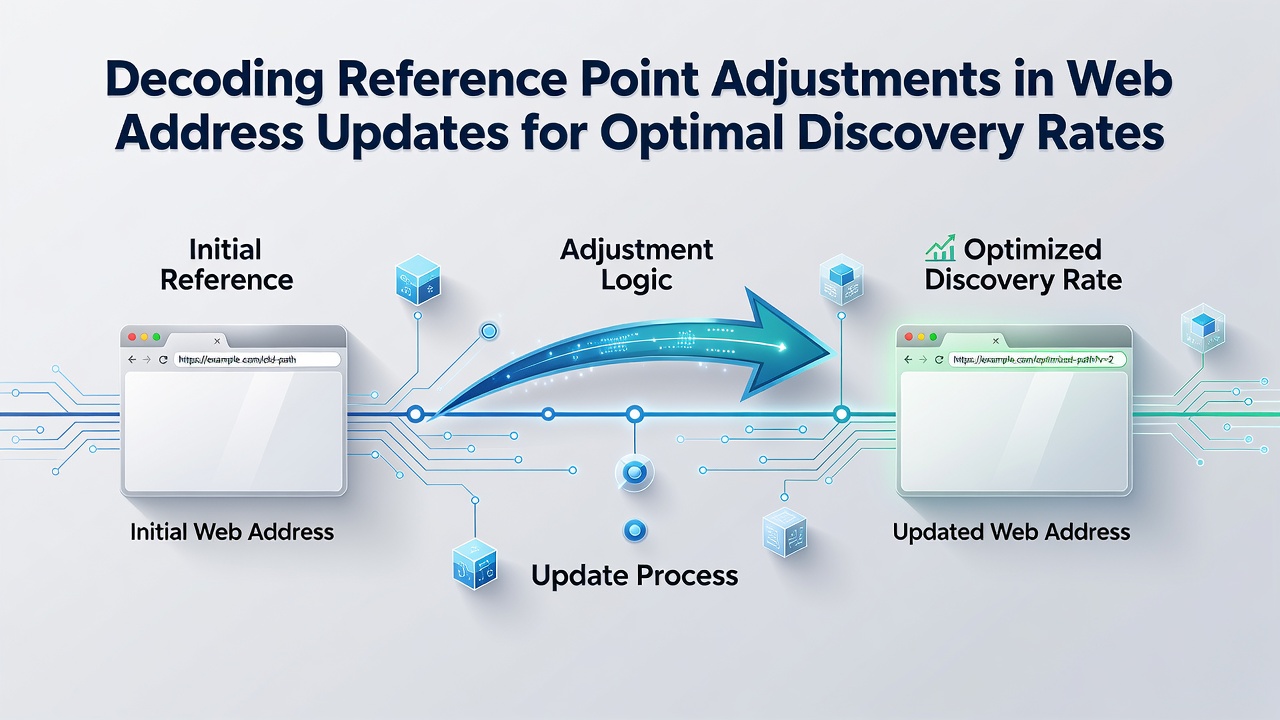
Web address updates require precise handling of reference points so search engines maintain accurate indexing records while users encounter fewer interruptions during transitions, and data from multiple migration analyses shows that these adjustments directly influence how quickly new URLs enter crawl queues and achieve stable rankings across result pages.
Core Mechanics of Reference Point Mapping
Search engines maintain internal maps that link content to specific addresses, and when sites implement changes these maps undergo systematic recalibrations that transfer historical signals through redirect chains or canonical declarations. Researchers tracking large-scale domain shifts have documented that reference points serve as stable anchors while underlying addresses evolve, allowing discovery systems to recognize continuity even as page locations move within server structures. Observers note that proper mapping prevents duplicate content flags because engines consolidate signals around the designated primary address rather than treating each variant as separate.
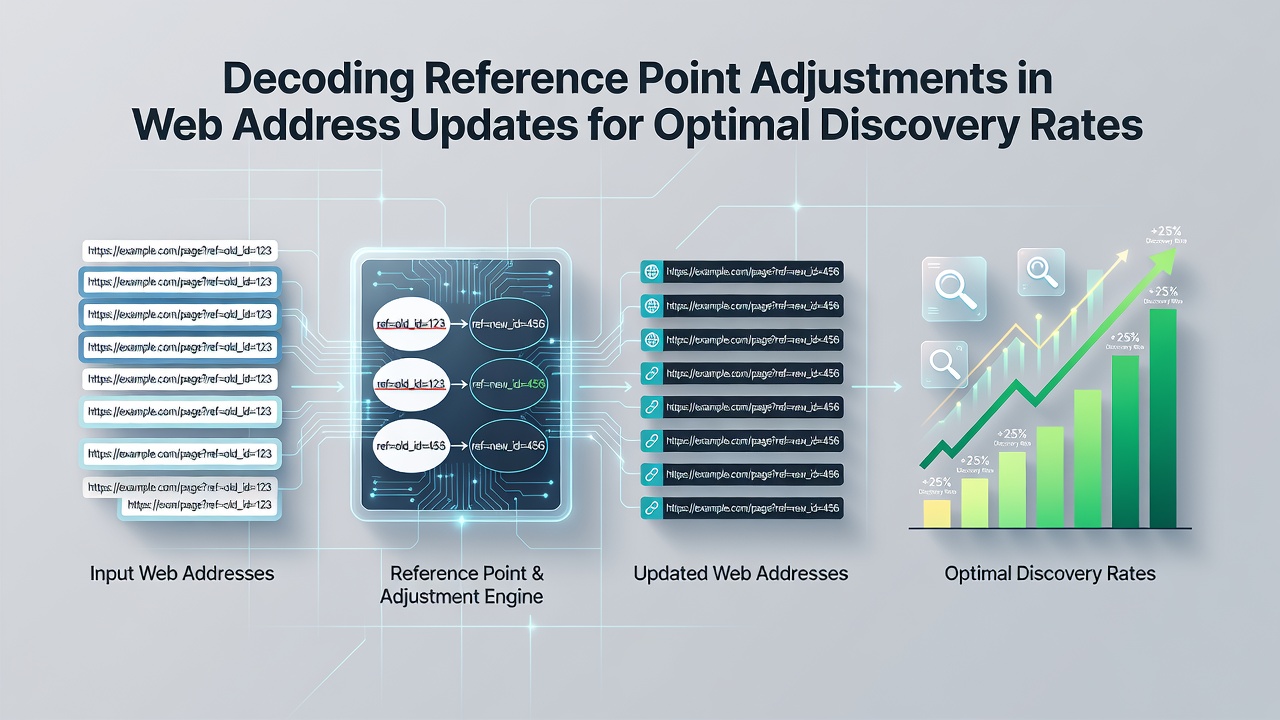
Redirect protocols form the primary mechanism for reference point updates, with 301 status codes signaling permanent relocation and prompting engines to update stored associations accordingly. Studies of crawl log data reveal that consistent redirect implementation accelerates the rate at which new addresses receive initial visits compared to cases where reference points remain unadjusted for extended periods. In October 2026, updated reporting from search infrastructure providers indicated that sites completing reference point synchronization within the first thirty days post-migration experienced crawl frequency increases of up to forty percent relative to baseline measurements.
Impact on Crawl Efficiency and Discovery Timelines
Crawl budgets allocated by engines depend heavily on how quickly reference points stabilize after address changes, since repeated requests to outdated locations waste resources that could otherwise target active content. Data collected from enterprise migrations demonstrates that sites updating sitemap files and internal link structures in tandem with redirect configurations achieve faster inclusion of new addresses in index databases. Those who studied these patterns found that reference point adjustments also affect how anchor text distributions evolve, as engines re-evaluate link graphs once primary addresses settle into their updated positions.
External link sources require coordinated updates as well because incoming references continue pointing toward former addresses until webmasters or partners implement corrections. Analyses of post-migration traffic patterns show that leaving external links unadjusted prolongs the period during which engines split authority across multiple reference points, reducing overall discovery momentum for the consolidated site. Industry reports compiled across North American and European datasets highlight that proactive outreach to high-value linking domains correlates with accelerated re-crawling of updated addresses.
Technical Implementation Strategies
Implementation begins with comprehensive audits that identify every instance where old addresses appear in internal navigation, XML sitemaps, and structured data markup. Teams that execute these audits report smoother transitions because reference point declarations remain consistent from the outset rather than requiring later corrections. Canonical tags provide an additional layer of control, allowing sites to designate preferred addresses even when multiple versions remain accessible during transition windows.
Monitoring tools track how engines respond to these adjustments by logging changes in crawl frequency and index status codes over successive days. Evidence gathered from ongoing migration projects indicates that combining server-side redirect rules with updated sitemap submissions produces the most reliable reference point realignment. Australian government digital service guidelines emphasize the importance of maintaining redirect continuity for at least twelve months following address changes to support complete signal transfer across global index infrastructures.
Measurement and Verification Processes
Verification relies on search console data that displays how many addresses have been successfully re-associated under new reference points. Metrics such as indexed page counts and average time to first crawl after submission provide objective indicators of adjustment success. Research compiled by academic groups examining large website transitions shows that sites conducting weekly audits during the first quarter after migration maintain higher discovery rates than those relying on initial setup alone.
Log file analysis supplies further confirmation by revealing whether engines have shifted their primary request targets away from legacy addresses. Observers tracking these logs across multiple projects note that reference point stability typically emerges between forty-five and ninety days when all supporting elements receive simultaneous updates. European research consortia studying web infrastructure changes have published findings that link consistent reference point handling to measurable improvements in overall site visibility within regional search indexes.
Conclusion
Reference point adjustments during web address updates function as the central coordination mechanism that enables search engines to preserve continuity while adopting new locations, and organizations that align redirects, sitemaps, canonical declarations, and external signals achieve more predictable discovery outcomes. Continued monitoring through established reporting channels remains essential because engines periodically refine how they interpret these adjustments across evolving index architectures.